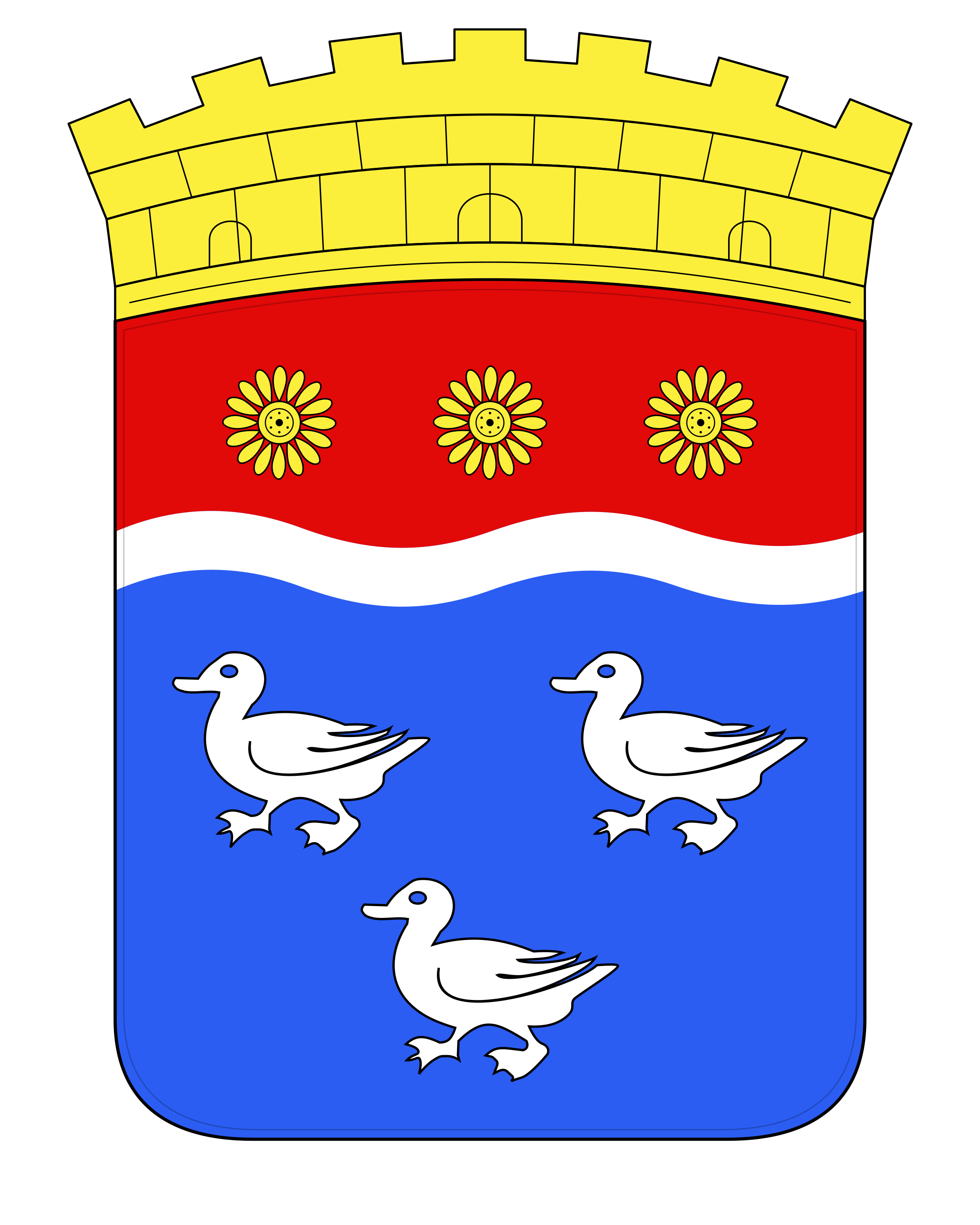
The history of hotels, restaurants and villas accompanies the development of sea baths in Vierville. The postcards and photographs collected by Yves Cordelle make it possible to follow the transformations of these establishments, the destruction of war and the reconstruction of the waterfront.
Hotels, villas and seaside tourism
- Tourism in Vierville before 1939
- The Casino Hotel: postcards and history of the establishment
- Le Gallois establishments: bazaar, cabins and brasserie on the beach
- The Hôtel des Touristes, now La Pie qui Tette: images and documents
- The Hôtel de la Plage, now Hotel de la Place: images and documents
- The cliff campsite: archives and photographs since 1970
The documents are proposed for their interest in local history.
Preserved documents


Raphaël Fontaine creates Raph'traiteur in ViervilleRead the rewritten text
This reading version has been rewritten from the newspaper clipping. Connecting phrases and any reconstructed words are not a verbatim quotation.
Originally from Vierville and settled in the municipality, Raphaël Fontaine, 45 years old at the time of the article, had created Raph'traiteur there with the support of Mayor Antoine de Bellaigue and the municipal council. After five years of apprenticeship and hotel school, he had worked in large establishments before choosing a private clientele.
He offered tailor-made services at home or in a party room: family meals, weddings, communions and New Year's Eve. Depending on the request, he could prepare the meal, serve, flowers, decorate, set up, or even search and reserve a room. The mayor had proposed the communal hall, new and equipped with an equipped kitchen, offering a view of the sea and a capacity of eighty people sitting.
The cook-caterer was committed to working with local and regional suppliers. The coordinates published at the time were: Raph'traiteur, 14710 Vierville-sur-Mer; 07 83 12 98 53; raphael_fontaine@yahoo.fr.
View the archive imageDownload the rewritten text
Original OCR text
The original OCR text is kept for comparison with the image. Its reading order and some words may be incorrect.